
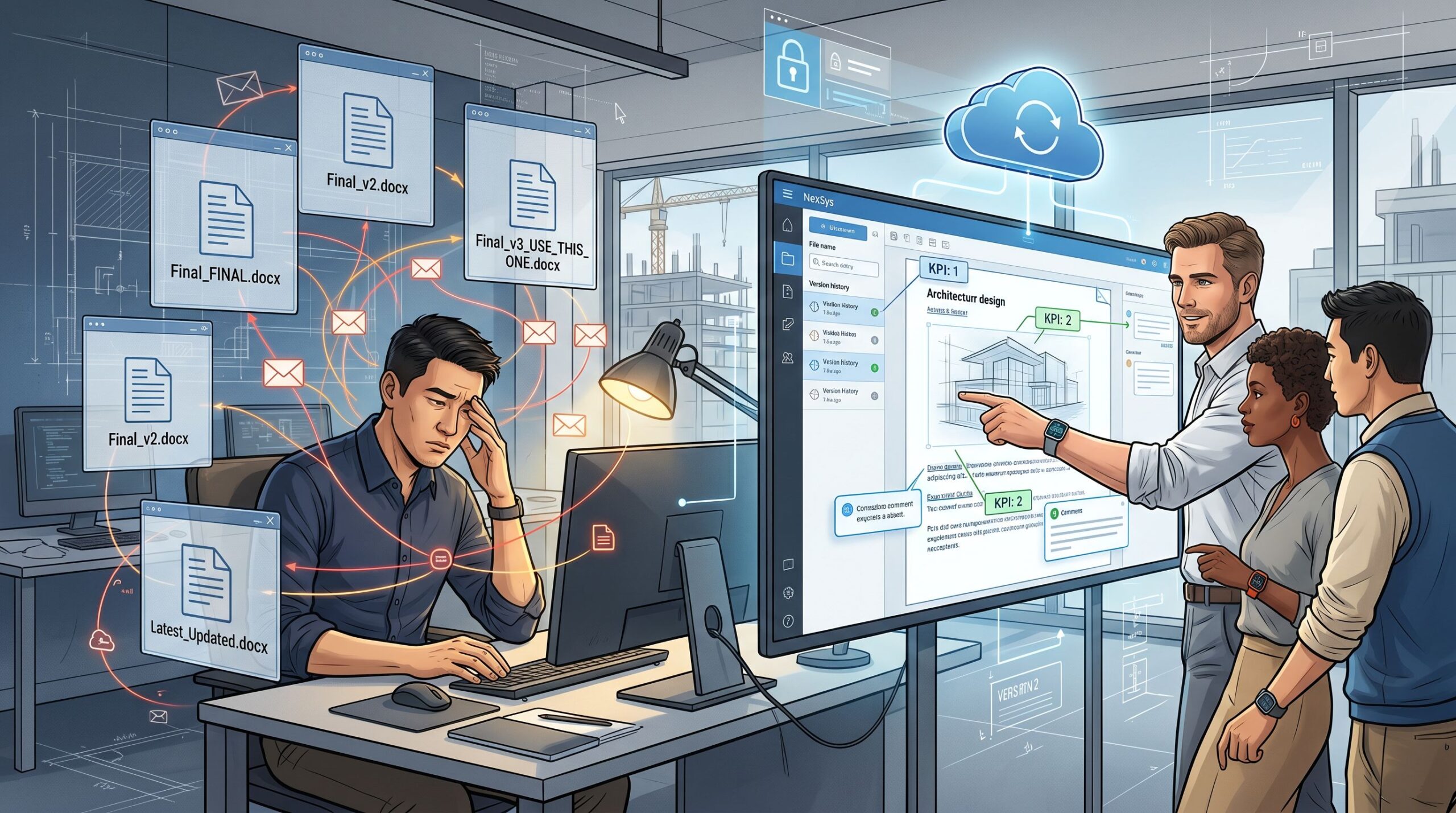
Australian architecture, engineering, and construction firms are really in the midst of a big shift with AEC Cloud Infrastructure. The tools that got projects over the line five years ago—local servers, VPNs, and on-premise infrastructure—just aren’t keeping up anymore, not with the demands of BIM workflows, scattered teams, and the ever-present threat of cyberattacks. AEC Cloud infrastructure has moved well past being a convenient IT choice; it’s now a core business strategy that shapes project delivery, client satisfaction, operational resilience, and how firms stack up against competitors.
For principals, IT directors, and business owners in the AEC world, this isn’t just about shifting files or trimming server costs. It’s about laying down the operational groundwork for hybrid work, making real-time collaboration on tricky Revit models possible, keeping sensitive data safe, and making sure your firm’s ready for the next wave—think AI-driven design tools. The firms that see cloud infrastructure as a strategic business call are already pulling ahead in productivity, talent retention, and scalability.
Let’s dig into why old-school IT setups are becoming a real liability, how today’s cloud platforms actually solve the unique headaches of AEC workflows, and what thought leadership in the AEC industry means when you’re making tech decisions. Plus, you’ll get a look at how solutions like ALTO are helping Aussie firms build the kind of infrastructure you need to compete, grow, and deliver great results in an industry that’s moving fast toward digital.
Why On-Premise IT Is Limiting Modern AEC Firms
On-premise infrastructure that once seemed reliable and predictable now just can’t keep up with what modern AEC workflows demand. Firms sticking with traditional server rooms are facing rising costs, more security headaches, and performance issues that can drag down both project delivery and team productivity.
Rising Operational Pressures and Complexity
Your AEC firm is handling projects that are more complicated than ever, demanding serious computing muscle and fast, easy data access. BIM models, Revit files, and reality capture datasets? They’re huge now—sometimes dozens of gigabytes per project.
Keeping up with these demands on traditional systems means constant hardware refreshes. You’re probably pouring money into server upgrades, more storage, and network gear that loses value fast. That’s an ongoing cost that really eats into resources you’d rather spend elsewhere.
The AEC industry is transforming as projects get more complex and clients want more. IT teams are often bogged down with maintenance, patches, and troubleshooting instead of pushing forward with strategic work. When you’re running multiple projects at once and teams are scattered, on-premise infrastructure often becomes the choke point, slowing collaboration and stretching out delivery times.
Downtime, Security, and Cybersecurity Risks
Every hour your systems are down is billable time and project progress lost. With on-premise infrastructure, your internal team shoulders all the responsibility for uptime and backup systems.
Stuff happens—hardware fails, power cuts out, nature throws a curveball. If you’re relying only on local servers, these risks can be pretty serious. Even with a disaster recovery plan, you might need duplicate infrastructure (which isn’t cheap) and still have gaps. Ransomware attacks and data breaches are hitting AEC firms more often, targeting valuable intellectual property and client info.
Keeping up with enterprise-level security is a full-time job—constant monitoring, rapid response, the whole lot. Most firms just don’t have the resources to match what cloud providers offer out of the box. Without that, you’re left open to compliance headaches, reputation hits, and even legal trouble.
Limitations for Hybrid and Distributed Project Teams
Hybrid work has totally changed the game for infrastructure in AEC. Teams are working from everywhere now—offices, job sites, clients’ spaces, home.
On-premise setups just weren’t built for this. VPNs can be a pain, especially when people are working with big Revit models or rendering files. Lag and dropped connections? They drive staff nuts and slow everything down.
When some people are local and others remote, project management gets messy. Performance isn’t equal, which means some staff get frustrated and can’t do their best work. Collaboration takes a hit if syncing files is slow or version control gets manual. Those rigid boundaries make it hard to bring in specialist consultants, support flexible work, or ramp teams up and down as projects demand.
Business Imperatives: Beyond Technology to Strategic Growth
AEC Cloud infrastructure choices now have a real impact on revenue, talent retention, and how firms compete. For AEC leaders, aligning tech with business strategy is the only way to make sure infrastructure investments pay off across project delivery, workforce happiness, and standing out in the market.
Improving Client Outcomes Through IT Agility
Clients want things faster, with real-time updates and smooth collaboration between everyone involved. If your infrastructure can’t keep up—slow file access, clunky BIM workflows, or secure sharing issues—projects drag and clients get frustrated.
Cloud-based environments cut out the delays from file transfers, version mix-ups, and access headaches. Teams can give clients live project visibility, handle design changes on the fly, and loop in consultants without waiting for IT. That kind of responsiveness builds stronger client relationships and leads to repeat business.
There’s a real financial upside, too. If a firm can shave 10-15% off project delivery cycles through better IT agility, that means more projects per year without needing to hire more people. Infrastructure becomes a revenue driver, not just a cost.
Attracting Talent and Supporting Hybrid Work Models
Let’s be honest—architecture, engineering, and construction pros want flexibility now. Firms that can’t support hybrid work for AEC teams are going to struggle to attract and keep talent, especially with younger designers and engineers who see remote work as a must-have.
Old-school VPNs and being tied to a desktop just don’t cut it anymore. People expect the same Revit performance and fast file access whether they’re at home, on site, or interstate. Cloud infrastructure takes those barriers out of the equation.
The benefits go beyond hiring. Flexible teams report better productivity and job satisfaction, which means less churn and lower costs from rehiring and retraining. Infrastructure investments here pay off in workforce stability and retention.
Scalability as a Competitive Advantage
Project workloads are all over the place. Maybe you land a big tender and suddenly need 20 more Revit seats for six months, or you’ve got a tight deadline that needs extra rendering power. Traditional infrastructure means big upfront spending, slow procurement, and IT headaches you might not be ready for.
With cloud, you just dial capacity up or down as needed—no waiting around. This flexibility lets you chase bigger projects without worrying your infrastructure will hold you back.
As AI-driven design and advanced digital workflows become the norm, your infrastructure has to keep up with fast-changing software needs. Scalable cloud setups mean you can adopt new tech without ripping out and replacing your systems every few years.
The Cloud Difference: Enabling Collaboration, BIM, and Cybersecurity
AEC Cloud infrastructure really tackles the three big operational headaches for AEC firms: making BIM collaboration work across scattered teams, handling heavy-duty computational loads, and keeping sensitive project data safe from increasingly clever cyber threats.
BIM and Revit Performance in the Cloud
If your team can’t work smoothly with big BIM models, project timelines and client satisfaction take a hit. On-premise setups often choke when several people try to access heavy Revit files at once—lag, crashes, lost work, all the usual suspects.
Cloud-based BIM workflows bring the processing grunt and centralised data you need for real-time updates. Your architects and engineers tap into enterprise-grade power, not just what’s on their own machines.
The difference is huge, especially during coordination. Cloud setups handle federated models from multiple disciplines without the version chaos you get with clunky file-based workflows. Teams can do clash detection, update designs, and sync changes instantly—no waiting around for uploads or downloads.
Plus, modern cloud platforms built for AEC mean you’re not constantly chasing hardware upgrades to keep up with ever-growing files and complexity.
Enhancing Collaboration Across Geographies
With hybrid work and teams spread across offices, old file-sharing tricks just don’t cut it for AEC projects anymore. Maybe your Melbourne office needs to coordinate with Sydney consultants while site teams pull drawings from the field—centralised cloud access is a must.
Cloud collaboration in BIM projects gives everyone real-time access to project data, wherever they are. Team members can work on the same model at once, with changes showing up instantly for everyone—no endless syncing.
This isn’t just for designers. Project managers, contractors, even clients can get at the info they need through a web browser, no special software required. Decisions get made faster, there are fewer coordination slip-ups, and less time and money lost to miscommunication.
Boosting Security and Compliance
Cybersecurity isn’t just an IT problem anymore—it’s a business risk that can stop projects and wreck client trust. A ransomware attack or data breach can freeze operations and do real damage to your firm’s reputation.
Cloud infrastructure for construction firms comes with layers of security most on-premise setups just can’t match: automated backups, encryption in transit and at rest, always-on threat monitoring, and granular access controls so people only see what they need.
Compliance is easier, too. Working on government projects or with regulated clients? Cloud platforms have certifications like ISO 27001 and SOC 2 baked in, so you don’t have to build that capability from scratch.
And with automatic backups, cloud systems offer business continuity that on-premise infrastructure really struggles to deliver consistently.
Cost-Efficiency in Large File Workflows
Dealing with the storage and movement of hefty project files brings along a bunch of hidden costs in traditional setups. If your teams are regularly wrangling multi-gigabyte Revit models, point clouds, and rendering files, you’re either pouring money into on-premise storage or losing precious time waiting for files to load.
Cloud storage, on the other hand, just adapts as your projects ebb and flow. Instead of buying server space for the busiest weeks and letting it gather dust the rest of the year, you’re only paying for what you use. That’s a real game-changer for firms with unpredictable project schedules.
Purpose-built AEC cloud platforms also sidestep those annoying bottlenecks you get with old-school file sharing. Your team can grab big files fast—whether they’re at their desks or halfway across the country. No more VPN headaches or clunky transfer protocols slowing everyone down.
Plus, cloud infrastructure slashes IT staffing costs tied to babysitting servers, handling backups, and putting out fires at different offices. That’s money and stress saved right there.
ALTO by NexSys IT: Purpose-Built for the Future-Ready AEC Firm
ALTO is NexSys’ purpose-built cloud architecture for AEC, designed to handle the relentless demands of BIM modelling, big data transfers, and project-based collaboration. It’s built for firms who want to avoid tech headaches and keep their infrastructure sharp as they grow.
Tailored Cloud Environments for AEC Workflows
Most hosting platforms are just… generic. ALTO’s different—it’s an integrated, performance-focused platform that actually understands the realities of AEC production. Revit models, coordination files, and rendering assets all demand high IOPS, something standard cloud setups simply can’t keep up with.
ALTO tackles this with storage tiers tuned for modelling speed, scalable compute resources, and project-level segmentation for isolation when you need it. The result? High-concurrency BIM work stays snappy, even with multiple teams hammering away at big files.
It’s also got your back with immutable backup architecture, replication paths, and clear recovery targets. Backups are kept separate from live workloads, which helps lower risk for firms juggling sensitive client data across various projects.
Supporting Project Delivery and Business Resilience
Performance without resilience? That’s just asking for trouble. ALTO scales up smoothly as your projects get bigger or more numerous, so you don’t hit that dreaded slowdown as you grow.
NexSys provides 24/7 operational oversight across the ALTO environment, keeping distributed teams connected whether they’re at the office or on site. This kind of support means you’re less likely to miss deadlines or lose client trust when things heat up.
It’s all built for hybrid work, too—secure, high-speed access to project files from anywhere. That’s become non-negotiable for AEC firms aiming to attract top talent and keep productivity on track in today’s market.
Case Studies: Outcomes with ALTO
AEC firms using ALTO have seen real improvements in:
- File access speeds for large Revit models during crunch times
- Backup recovery times after ransomware or other data incidents
- Onboarding velocity when ramping up teams for big projects
- Collaboration efficiency across offices and remote teams
All this translates into less project risk, better client delivery, and more predictable operations. Instead of always reacting to IT fires, firms can actually plan ahead and align their tech with business goals.
NexSys offers a free 28-day ALTO trial so you can run it through its paces with your own projects before making any decisions. It’s a chance to see how it fits your real-world needs—no guesswork required.
Leading with Thought: The Role of AEC Leaders in Technology Evolution
Tech decisions in AEC aren’t just about specs anymore. Leaders who shape the conversation around cloud, digital transformation, and resilience are setting their firms up as forward-thinking partners—exactly what clients are starting to expect.
Thought Leadership in IT Decision Making
Your choices about IT infrastructure say a lot about your firm’s bigger picture. Rather than treating cloud migration as just another tech upgrade, AEC leaders bring decades of experience that should shape decisions tied directly to project delivery.
Real thought leadership in IT means thinking through how infrastructure impacts BIM collaboration, hybrid work, and client service. You have to ask: Will this actually support our growth? Does it fit how our teams really work? Can it keep up as AI tools become the norm?
When you look at infrastructure through the lens of business outcomes, not just features, you show the kind of strategic thinking that sets leading firms apart. It also makes it way easier to get stakeholders on board by tying tech investments to real improvements in delivery, productivity, and your edge in the market.
Fostering a Culture of Innovation and Learning
Building resilience means prioritising strong training programs that keep up with new tech. Your team’s ability to get the most out of cloud infrastructure really depends on whether continuous learning is just part of the day-to-day.
Some key ingredients of an innovation culture:
- Regular upskilling on cloud collaboration tools
- Cross-team sharing of workflow tips and tricks
- Encouraging people to try new digital processes—even if it’s a bit messy
- Documenting what you learn for the next wave of AI-driven workflows
Capturing internal know-how is only going to get more valuable as AI evolves. Firms that go digital-first are putting themselves in a spot to actually use AI as an advantage, letting new hires tap into years of expertise from day one.
Developing a Sustainable Thought Leadership Strategy
Content marketing and thought leadership aren’t just buzzwords—they can set your firm up as the go-to authority in the industry. A solid thought leadership approach shows how your infrastructure decisions lead to better projects and more value for clients.
Your thought leadership content should tackle the real headaches AEC pros face: distributed teams, data security, complex BIM workflows, and future-proofing tech. Share honest stories—what worked, what didn’t, and how smart infrastructure moves paid off in delivery or opened up new services.
Do this, and you’re not just another vendor—you’re a strategic partner. When people see you weighing in on digital transformation in AEC, they know you’re serious about staying ahead of the tech curve and helping clients do the same.
Future-Readiness Demands Action Now
The AEC industry’s at a crossroads, where the infrastructure choices you make now will shape your competitive edge in the years ahead. Can your firm actually deliver on complex projects, support teams spread across locations, and keep sensitive data safe? It all comes down to the foundations you’ve got in place—no pressure, right?
The cost of inaction is measurable:
- Lost productivity when systems go down—sometimes at the absolute worst moments
- Struggles to keep top talent if rivals offer sleeker, more modern tech
- Clients getting frustrated by clunky collaboration or annoying delays
- Cybersecurity gaps that can put your reputation (and compliance) at risk
Future readiness isn’t just a buzzword—it’s about putting real focus on capabilities that can actually scale as new tech and workflows keep evolving. With the industry shifting towards AI-powered design tools, automated documentation, and real-time digital twins, your infrastructure needs to keep up—without forcing you to tear everything down and start over.
Leaders who see cloud infrastructure as a true business asset put their firms in a position to grab opportunities others might miss. It’s not about chasing shiny new tech for the fun of it. It’s about building operational resilience that actually supports growth when it counts.
The real question for principals and IT directors? Not whether cloud infrastructure matters—it clearly does—but whether your current setup is really ready for where you want to go next. NexSys IT’s ALTO platform was built for this, offering cloud foundations tailored for AEC workflows, performance, and security—without the generic one-size-fits-all stuff.
Your next deadline won’t wait for you to catch up on infrastructure. And let’s be honest—neither will your competitors.